
Code Integrity Review - Politics
Trump Russia sanctions waiver creates massive rift with Zelensky
Published October 18, 2026 · 11:46 PM
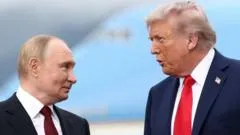
Donald Trump's executive order suspending key Russian sanctions has ignited a political firestorm in Washington and intensified the diplomatic fracture between the Trump administration and Kyiv.
Why did Trump waive Russia sanctions?
Just two days before a series of significant sanctions against Russia were scheduled to take effect, Donald Trump issued an executive order suspending several of them. The President justified this move by stating that suspending certain measures was in the "US national interest." These sanctions, which were passed by the US Congress and signed into law by the President in September, were designed to strike at the heart of the Russian economy.
The legislation granted the administration broad authority to levy tariffs of up to 100% on imports from the top five purchasers of Russian oil and gas—most notably China and India. Furthermore, the law targeted senior Russian figures, including Vladimir Putin, as well as Russian financial institutions and the so-called "shadow fleet" of vessels used to bypass existing embargoes. By issuing this executive order, Trump has effectively paused a mechanism intended to impose "truly effective pressure" on Moscow, a move that has prompted immediate backlash from across the political spectrum in the United States.
How has Zelensky reacted to the sanctions waiver?
Ukrainian President Volodymyr Zelensky has reacted with profound disappointment, stating that the US has decided to "completely disregard" the sanctions. For Zelensky, the timing of the waiver is particularly critical as Russia continues its offensive operations. He noted that the sanctions "could have helped enormously" in curbing the resources available to the Russian military.
Zelensky pointed to the immediate human and infrastructural cost of the conflict, highlighting overnight Russian attacks on 15 Ukrainian energy facilities. These strikes have caused widespread power cuts across several regions, leading Zelensky to warn that "Russia is trying to cause a blackout in Ukraine – right before winter." He emphasized that the purpose of the law was to bring the war to an end and urged the American public to recognize the reality of the situation on the ground. Zelensky further expressed concern that the Trump administration might continue this trend, suggesting he believes more sanctions against Russia could be lifted in the future.
What are the implications for US-Ukraine relations?
The relationship between Washington and Kyiv has reached a point of significant strain. The tension was exacerbated by a controversial deal struck last week in which the US moved to import Russian diesel, a move intended to combat skyrocketing energy prices in the US following the Iran war. Zelensky suggested that such a deal was tantamount to the US investing in Russia's war effort. While Trump claimed that both Russia and Ukraine had agreed to an "energy ceasefire" to facilitate these exports, the reality on the ground has remained violent.
After three days of fresh Russian attacks, Kyiv resumed its strikes on Russian oil refineries. Trump condemned these Ukrainian strikes as a "disgrace," prompting Zelensky to assert that he was "only standing up for Ukraine's interests." This friction was further compounded by Zelensky's comments at an EU summit, where he remarked it was nice to be among "real leaders" after Trump described him as "more difficult to deal with" than Vladimir Putin. The suspension of the sanctions appears to be the latest catalyst in a deepening diplomatic divide.
Impact on military support
Beyond economic policy, Ukraine has accused the Trump administration of withdrawing key military support. A primary point of contention involves the Starlink satellite network, which is vital for Ukrainian operations. Last week, Starlink unexpectedly restricted the speeds at which drones could fly while maintaining a connection, a move that Ukraine says disrupted battlefield missions and hampered its ability to defend against incoming Russian attacks.
While US officials informed Ukraine that these speed restrictions were due to "technical issues," Zelensky challenged this explanation. He noted that Ukraine had tested Starlink on EU territory and found that these technical problems did not exist, with the system operating at much higher speeds. Although Trump has denied deliberately slowing down the network and has also denied accusations that the US has withdrawn intelligence-sharing, the perceived reduction in support has left Kyiv feeling increasingly isolated.
What are the global economic implications?
The suspension of these sanctions has significant ramifications for both the US and the international community. US Secretary of State Marco Rubio clarified that the suspension is a 60-day pause, intended to provide the Trump administration with time to analyze the potential impact on the US and global economies. This pause comes amid a period of high inflation and rising fuel costs that have impacted Trump's political standing ahead of the US midterm elections.
The Russian envoy, Kirill Dmitriev, described the executive order as "an important and truly historic moment," arguing that the original sanctions would have inflicted "serious damage" on both the US and global markets. This perspective highlights the tension between the administration's desire to stabilize domestic energy prices and the international community's goal of isolating the Russian economy. The 60-day window will serve as a critical period for determining whether the administration prioritizes domestic economic relief or the geopolitical objective of pressuring Moscow.
How have US lawmakers responded?
The decision to waive the sanctions has drawn sharp criticism from both sides of the aisle. Democrats, including Virginia Congressman Don Beyer, have accused the President of capitulating to Moscow and turning his back on Ukraine. The opposition within the Democratic party is joined by a notable group of Republicans who view the move as a strategic error.
Texas Senator Ted Cruz, a prominent Trump ally, told Fox News that waiving the sanctions was a mistake, suggesting that there were other ways to address rising fuel prices without compromising on Russia. Other Republicans have been even more blunt: Senator John Cornyn called the move "reckless," while North Carolina Senator Thom Tillis described it as "beyond irresponsible." Tillis argued that the administration could address energy concerns by ending the Iran war rather than "doing a solid" for Putin. In response to this shift in policy, Nebraska Representative Don Bacon indicated that US lawmakers may now resist funding the Trump administration's broader agenda.
Frequently asked questions
What sanctions were waived by Trump?
The waiver affects sanctions designed to target the Russian economy, specifically those involving tariffs of up to 100% on imports from the top five purchasers of Russian oil and gas (including China and India), as well as measures against senior Russian officials, financial institutions, and the "shadow fleet" of vessels used to circumvent embargoes.
How has the waiver affected US-Ukraine relations?
The waiver has severely strained relations. Ukraine has accused the US of withdrawing military support and undermining the effort to pressure Russia, especially as the US moves to import Russian diesel and reportedly restricts Starlink speeds used by Ukrainian drones.
What is the global economic impact of the waiver?
The suspension includes a 60-day pause to allow the US to assess the impact on the US and global economy. While the administration seeks to manage energy costs, critics and Russian officials suggest the move may protect global markets from the "serious damage" the sanctions would have caused, while potentially benefiting the Russian economy.
How did US lawmakers react to the waiver?
Lawmakers from both parties have criticized the move. Democrats have accused the administration of turning its back on Kyiv, while several Republicans, including Ted Cruz and Thom Tillis, have called the decision "reckless" and "irresponsible."
What was the controversial US-Russia diesel import deal?
The US struck a deal to import Russian diesel to help lower US energy prices, which have risen due to the Iran war. However, Ukraine and its allies criticized the deal, suggesting it serves as an investment in Russia's war effort.
Key takeaways
- Donald Trump issued an executive order suspending key Russian sanctions, citing US national interest.
- President Zelensky criticized the move, stating it disregards the need for effective pressure on Russia during a period of intense energy infrastructure attacks.
- US-Ukraine relations are fraying due to the diesel import deal, perceived reductions in military support, and Starlink speed restrictions.
- The suspension includes a 60-day pause for economic impact analysis, drawing bipartisan criticism from US lawmakers.
- Russian officials have welcomed the move as a "historic moment" that prevents damage to global markets.
