
Russia sanctions suspension: Trump's 2026 peace plan
Published October 18, 2026 · 11:34 PM
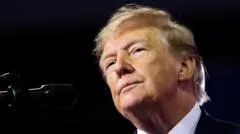
President Donald Trump has suspended several Russian sanctions to keep Moscow at the negotiating table, a move that has sparked intense backlash from President Zelensky and deepened the rift between Washington and Kyiv.
Strategic motivations behind the Russia sanctions suspension
The decision to halt various economic penalties against Moscow was made by President Donald Trump just two days before the sanctions were scheduled to be implemented. According to Trump's statements on the Truth Social messaging platform, the primary objective is to ensure that Russia remains engaged in diplomatic discussions regarding the conflict in Ukraine.
Trump expressed a desire to avoid any actions that might "foolishly" push the Russian administration away from the bargaining table. By removing these economic pressures, the US administration aims to create a diplomatic opening for what Trump describes as an ongoing process of negotiating peace. This approach prioritizes the maintenance of a dialogue channel over the continued application of punitive measures.
Divergent reactions from Moscow and Kyiv
The suspension of sanctions has met with starkly different responses from the key players in the conflict. Russian envoy Kirill Dmitriev characterized the decision as an "important and truly historic moment," suggesting that the implementation of the sanctions would have resulted in significant harm to both the United States and the broader global market.
In contrast, Ukrainian President Volodymyr Zelensky has voiced strong opposition to the administration's shift in policy. Speaking to NBC News, Zelensky warned that aligning with Russian President Vladimir Putin would constitute a "historic mistake." The tension between the two leaders has escalated, with Zelensky recently suggesting during an EU summit that he preferred the company of "real leaders" following Trump's comments regarding the difficulty of negotiating with the Ukrainian President.
Erosion of US-Ukraine relations and military support
Diplomatic relations between Washington and Kyiv have reached a point of significant strain following several controversial policy shifts. A major catalyst for this friction was the recent agreement made by the US to import Russian diesel, a move that has complicated the existing geopolitical stance against Moscow.
Furthermore, the Trump administration faces accusations from Ukraine regarding the withdrawal of essential military assistance. This perceived decline in support coincides with Trump's criticisms of the ongoing conflict, including his description of recent military strikes as a "disgrace." Zelensky has maintained that Ukraine possesses an inherent right to defend itself, countering Trump's assertions that the Ukrainian leadership has been unwilling to seek an end to the hostilities.
FAQ
Why did Trump suspend the Russian sanctions?
Trump suspended the sanctions to ensure that Russia remains involved in peace negotiations. He stated on Truth Social that he does not want to take any actions that might drive Russia away from the bargaining table during the ongoing process of attempting to negotiate an end to the war.
How has Ukraine responded to this decision?
Ukraine has responded with significant criticism, with President Zelensky calling the move a "historic mistake." The Ukrainian leadership views the decision as siding with Vladimir Putin and has expressed concerns over the fraying relationship between Washington and Kyiv, especially regarding military support.
What was the Russian reaction to the suspension?
The Russian reaction has been positive, with envoy Kirill Dmitriev calling the suspension a "historic moment." Dmitriev also argued that the sanctions, had they been applied, would have caused serious damage to the US economy and the global market.
